Ultimate Potential
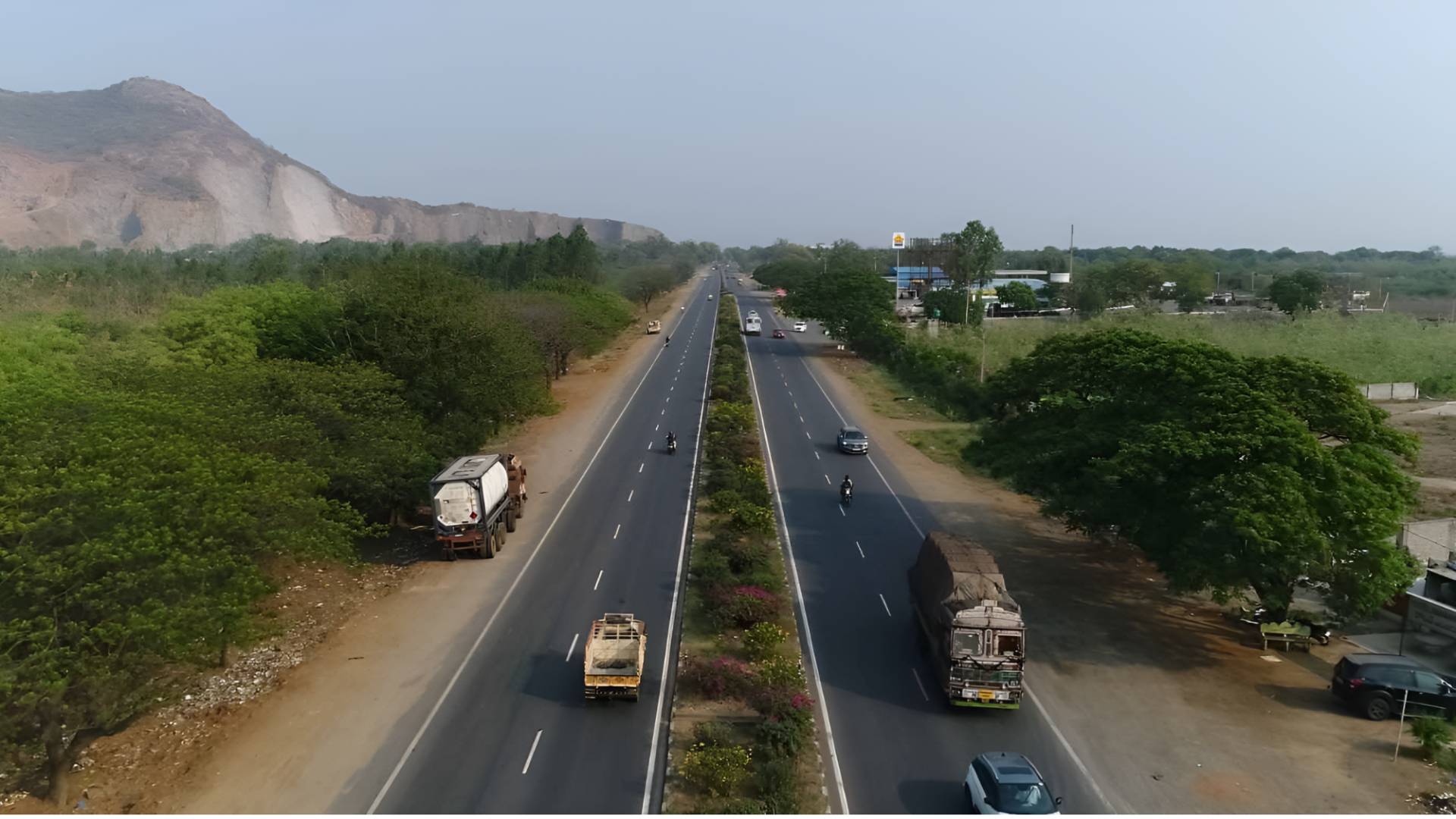
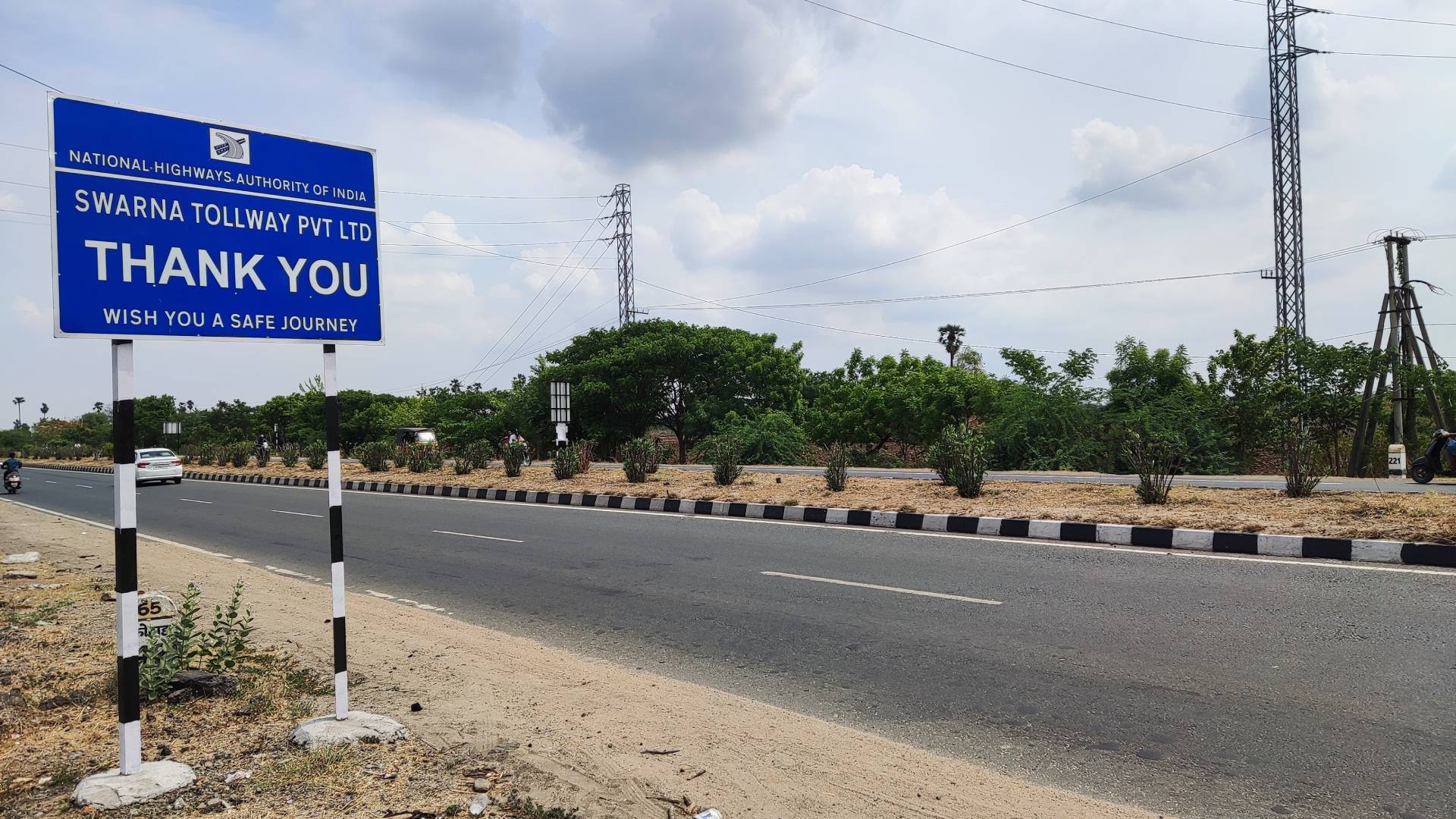
The Nandigama–Ibrahimpatnam corridor on NH-65 serves as a busy link between the industrial belt around Vijayawada and the wider regional network leading toward Hyderabad. The road carries a mix of daily traffic and regional freight, giving it a steady operational profile. The assignment involved a technical due diligence study in the context of a potential asset transaction.
The objective was to understand the present condition of the corridor, review its operational practices, and outline long-term requirements relevant to future ownership.
Technical Due Diligence
49.2 km & 4 lane
Swarna Tollway Private Limited
A P Moller Capital P/S
Technical Due Diligence
49.2 km & 4 lane
Swarna Tollway Private Limited
A P Moller Capital P/S
Evaluating an operating highway required a clear view of how past upkeep translated into current physical condition. As maintenance activities had been distributed across several subcontractors, historical expenditure and field evidence were not always directly aligned.
Therefore, establishing a consistent understanding of previous interventions needed careful interpretation.
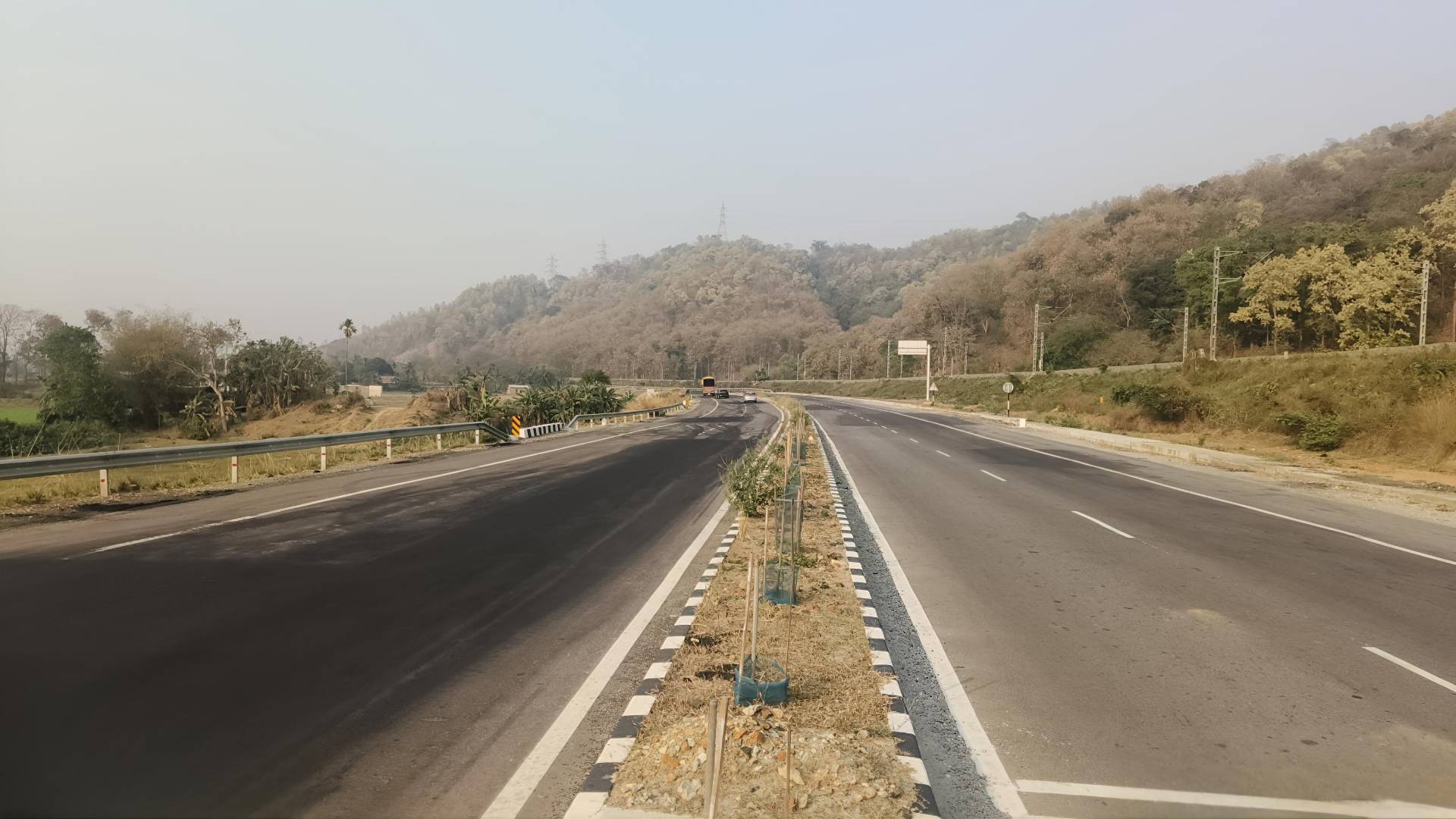
Field observations were combined with available documents to build a realistic picture of pavement condition, structural elements, drainage performance, and safety features. Traffic characteristics were examined to relate observed wear to expected operating loads. Financial and maintenance data were analysed to distinguish routine activities from interventions with long-term implications. These inputs were then used to prepare lifecycle estimates that reflect both the corridor’s current state and anticipated future demand.
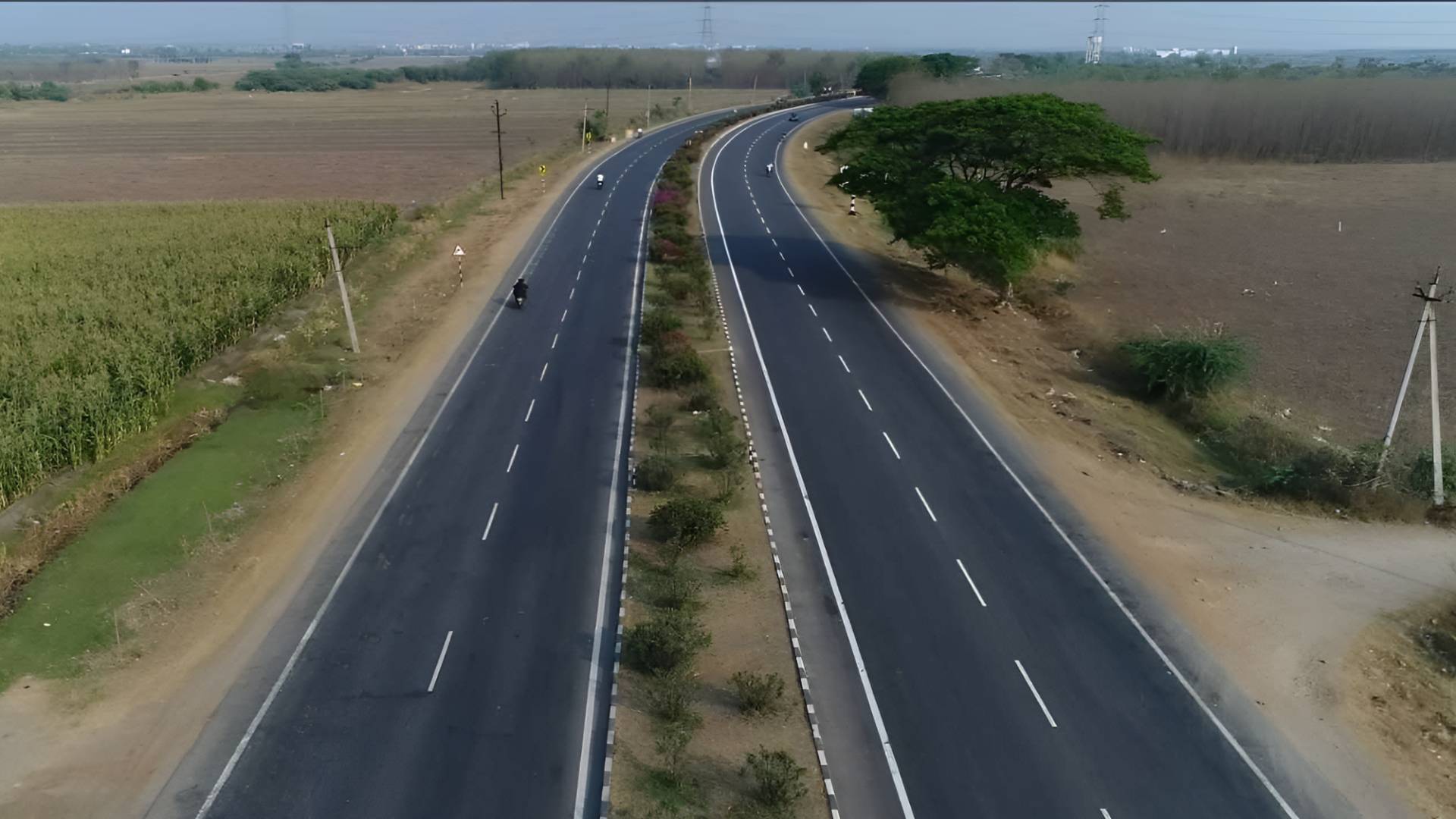
Ongoing claims and EPC-related responsibilities were mapped to understand their impact on maintenance obligations and future cost exposure. Pavement and structural conditions were reviewed through field assessments and available records to establish a realistic baseline for ageing and remaining service life. Traffic patterns, safety performance, and corridor functionality were analysed to evaluate operational reliability.
The analysis outlined factors that shape its service quality and helped define the likely commitments client would assume.
These insights strengthened transparency around both condition and future responsibilities within the transaction.