Ultimate Potential
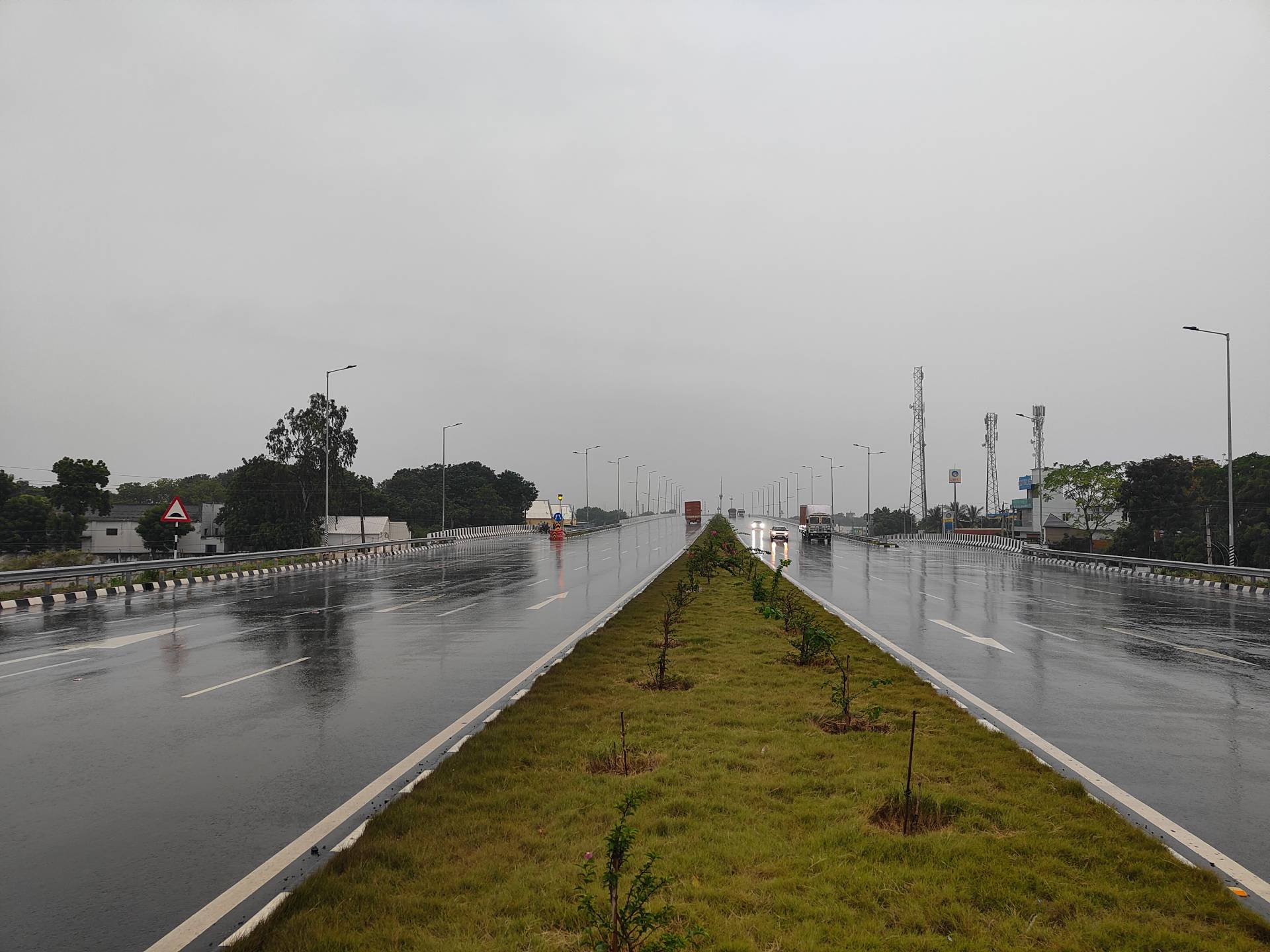
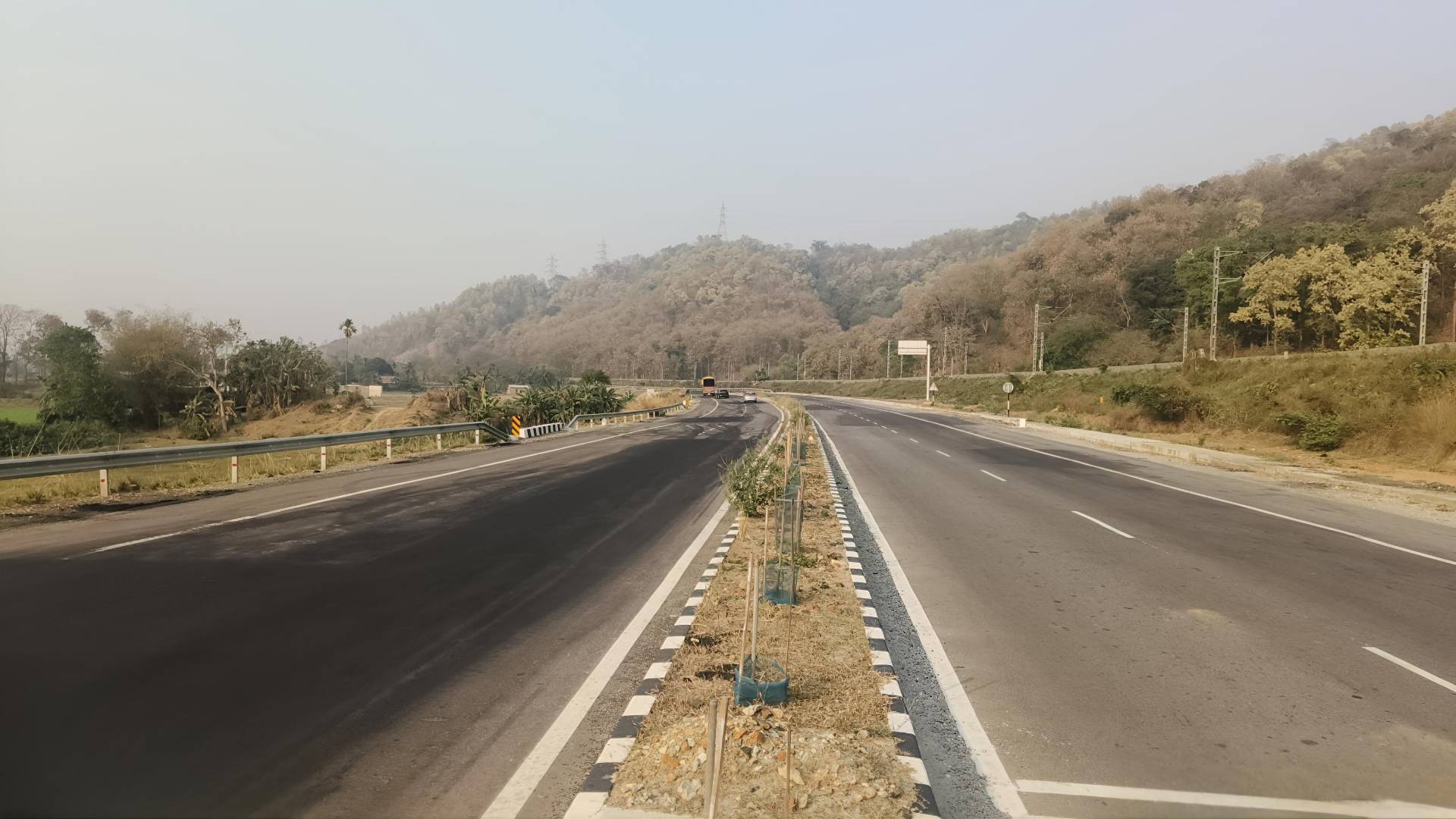
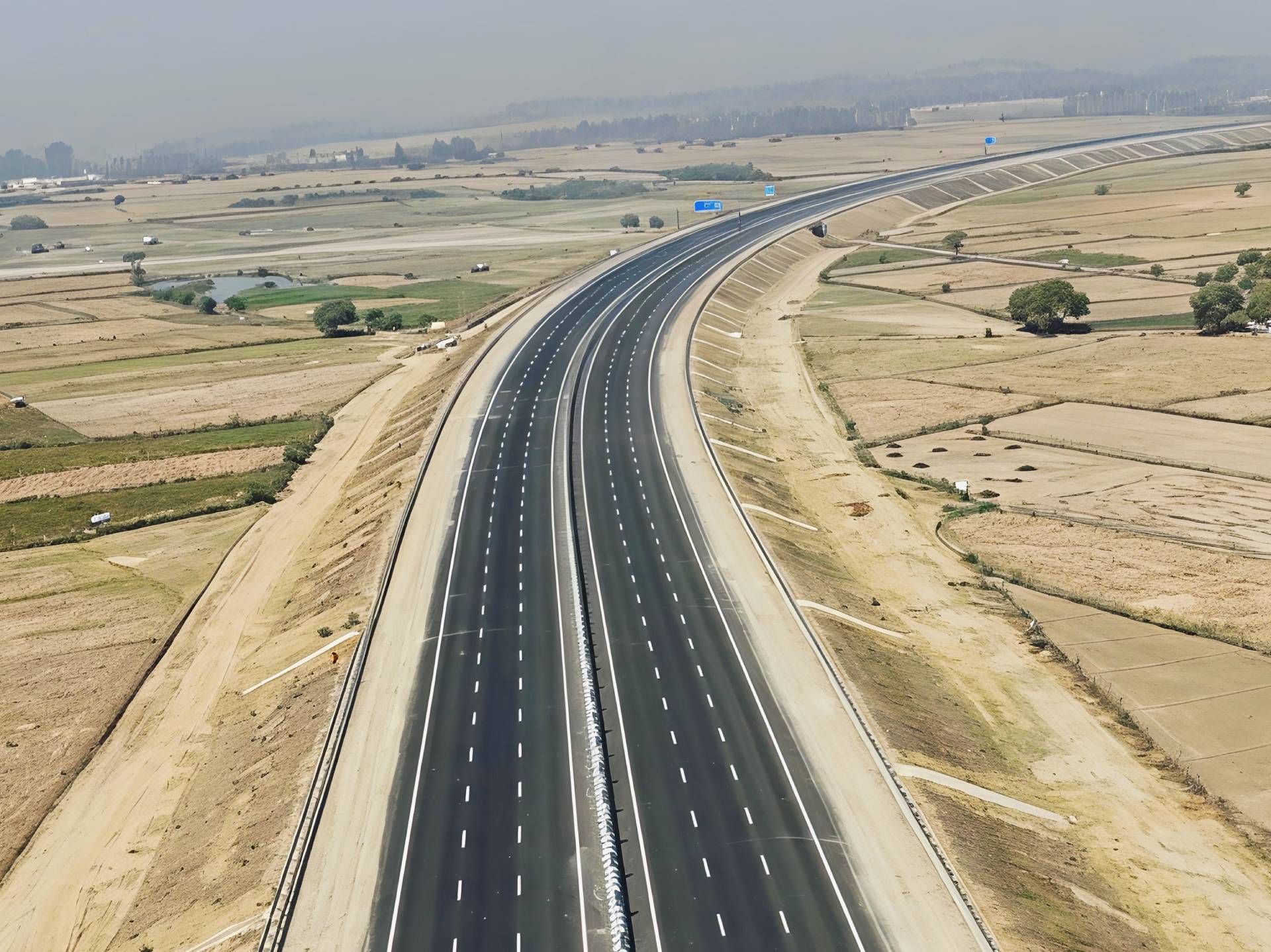
As part of NHAI’s initiative to operationalise its first public InvIT bundle, a set of established toll road corridors across multiple states was identified for monetisation. Translink was engaged to perform independent traffic due diligence for this portfolio, covering several toll plazas and diverse highway environments.
Our role is to validate existing traffic behaviour, establish a traffic base upto concession period, and support valuation and investor assessment for this inaugural InvIT asset group.
Traffic Due Diligence
272 km & 6 lane
7
National Highways Authority of India
Traffic Due Diligence
272 km & 6 lane
7
National Highways Authority of India
The portfolio’s multi-state nature brings inherent complexity, as each corridor carries its own economic drivers, seasonal patterns, and user behaviour. Completing such a dispersed assessment within a short duration adds further pressure, particularly when historical records from multiple toll plazas must be gathered, reconciled, and validated.
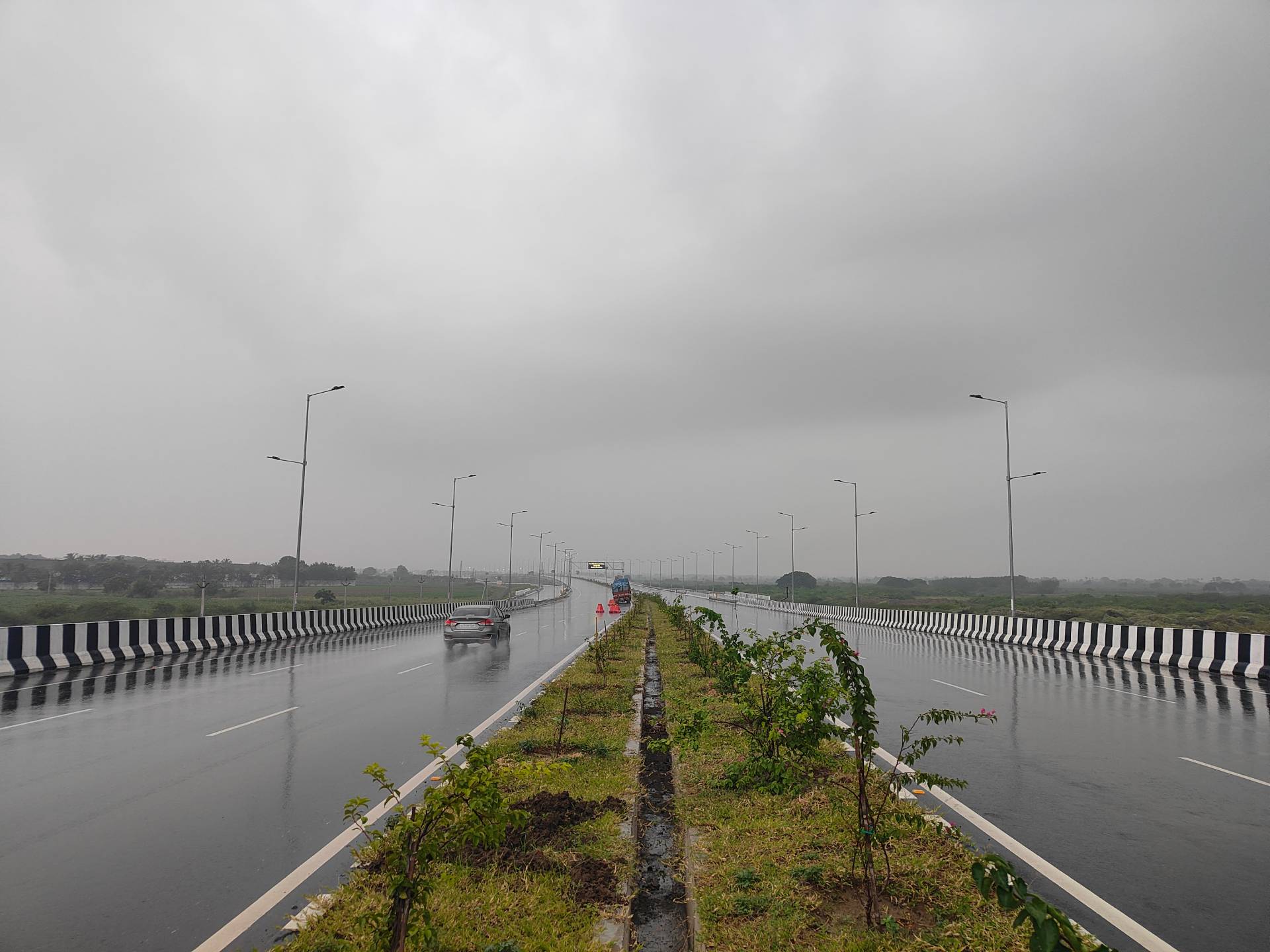
Ensuring uniform data quality, resolving inconsistencies across sources, and distinguishing sustainable demand from short-term fluctuations require careful judgement, while factors such as diversion risks, and parallel route influence continue to shape the overall traffic interpretation.
The assessment follows a structured, evidence-based approach built around consistent data treatment across all assets. Traffic records from each toll plaza are screened, normalised, and reconciled to remove anomalies, while field checks and focused interactions support calibration of observed patterns.
Demand behaviour is interpreted through corridor-level factors such as freight movement, regional connectivity, industrial influence, and competing route dynamics. This enables a balanced forecast framework that reflects realistic growth potential rather than isolated trends.
The exercise provides investors with a clear view of traffic strength, operational stability, and future revenue prospects across the bundle. A consistent evaluation of tolling patterns, corridor roles, and demand drivers helps in forming an informed investment position for the first public InvIT offering.
The outcome supports better risk appreciation, cleaner valuation inputs, and a more confident understanding of long-term asset performance.