Ultimate Potential
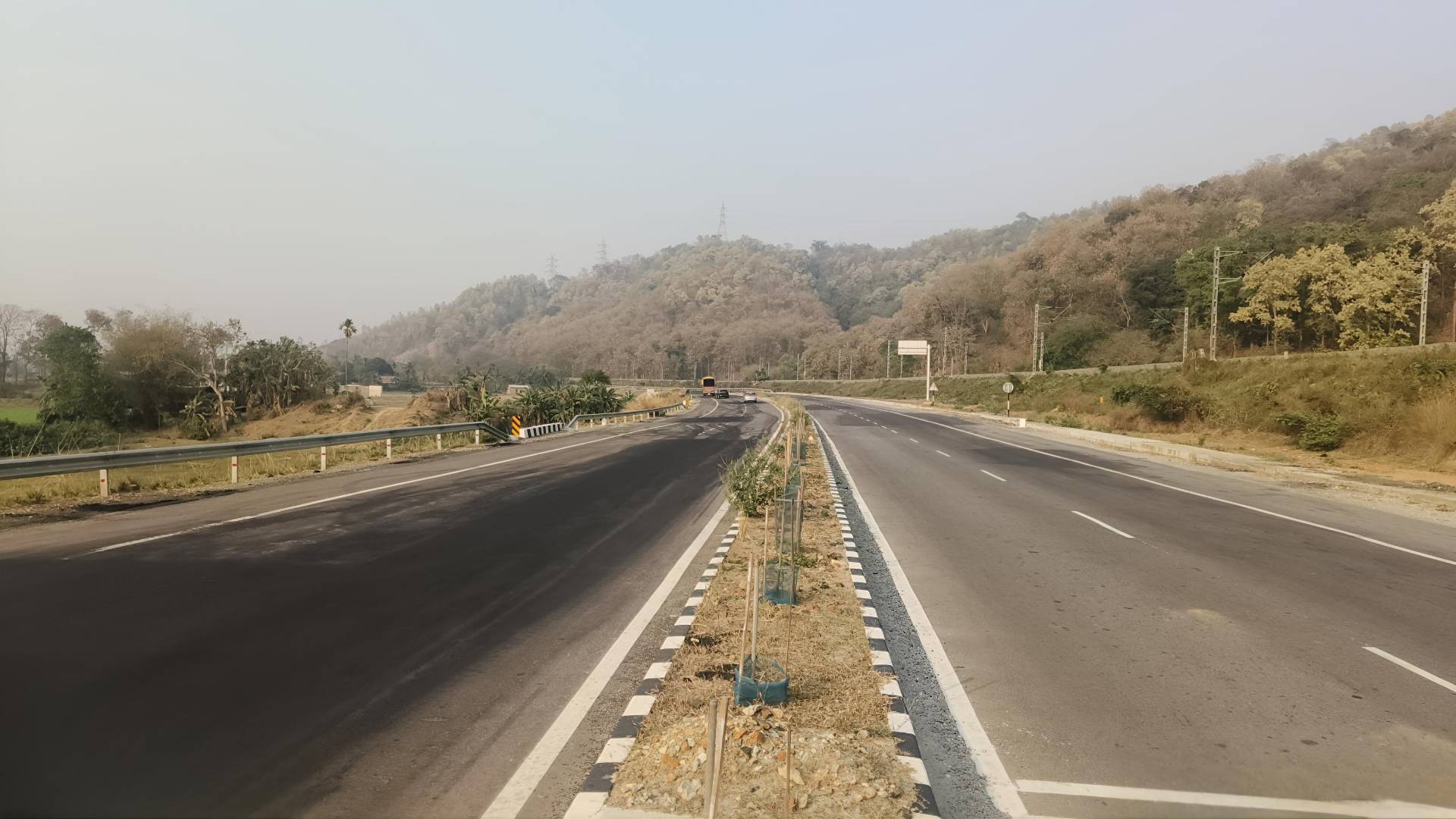
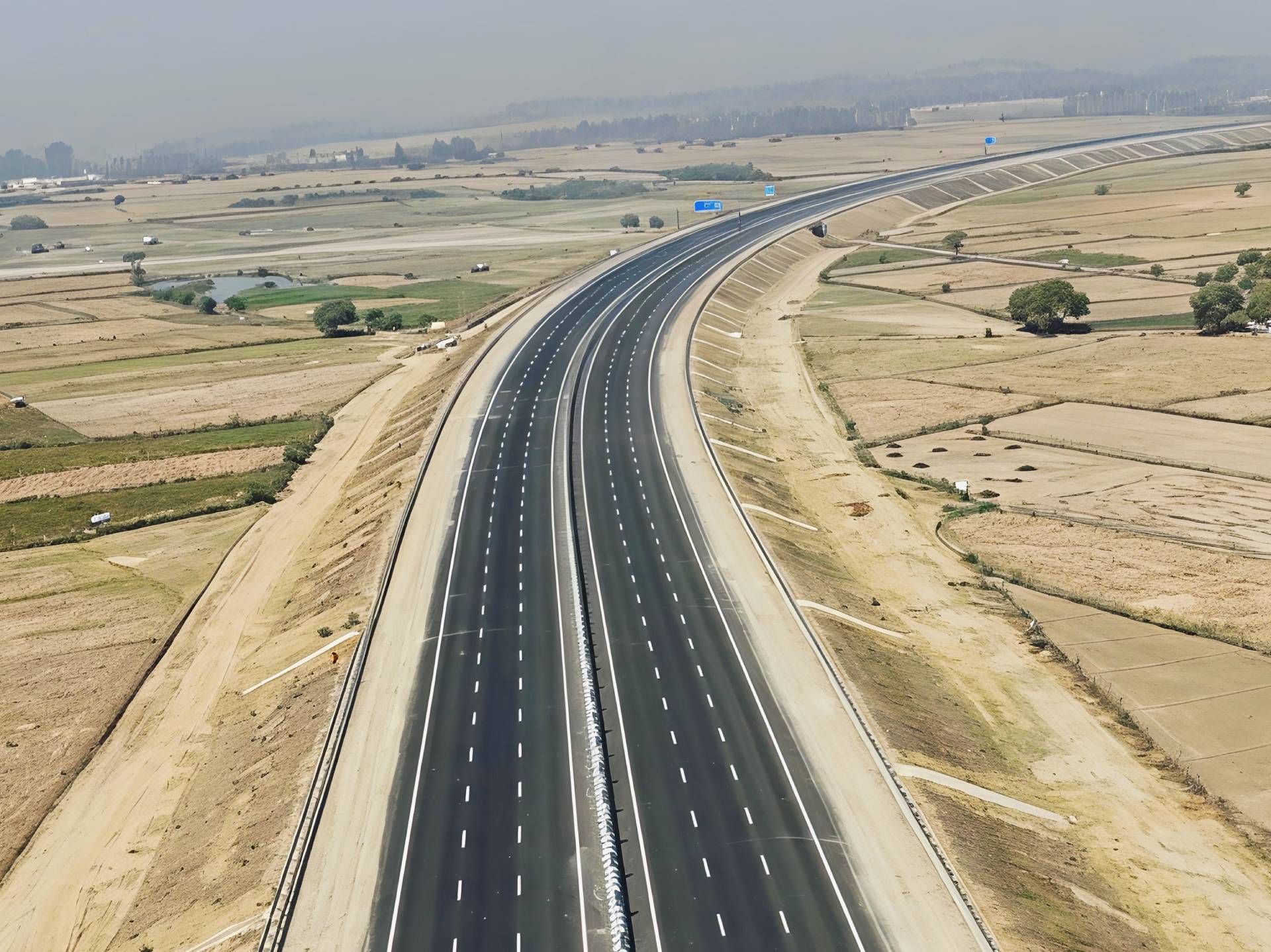
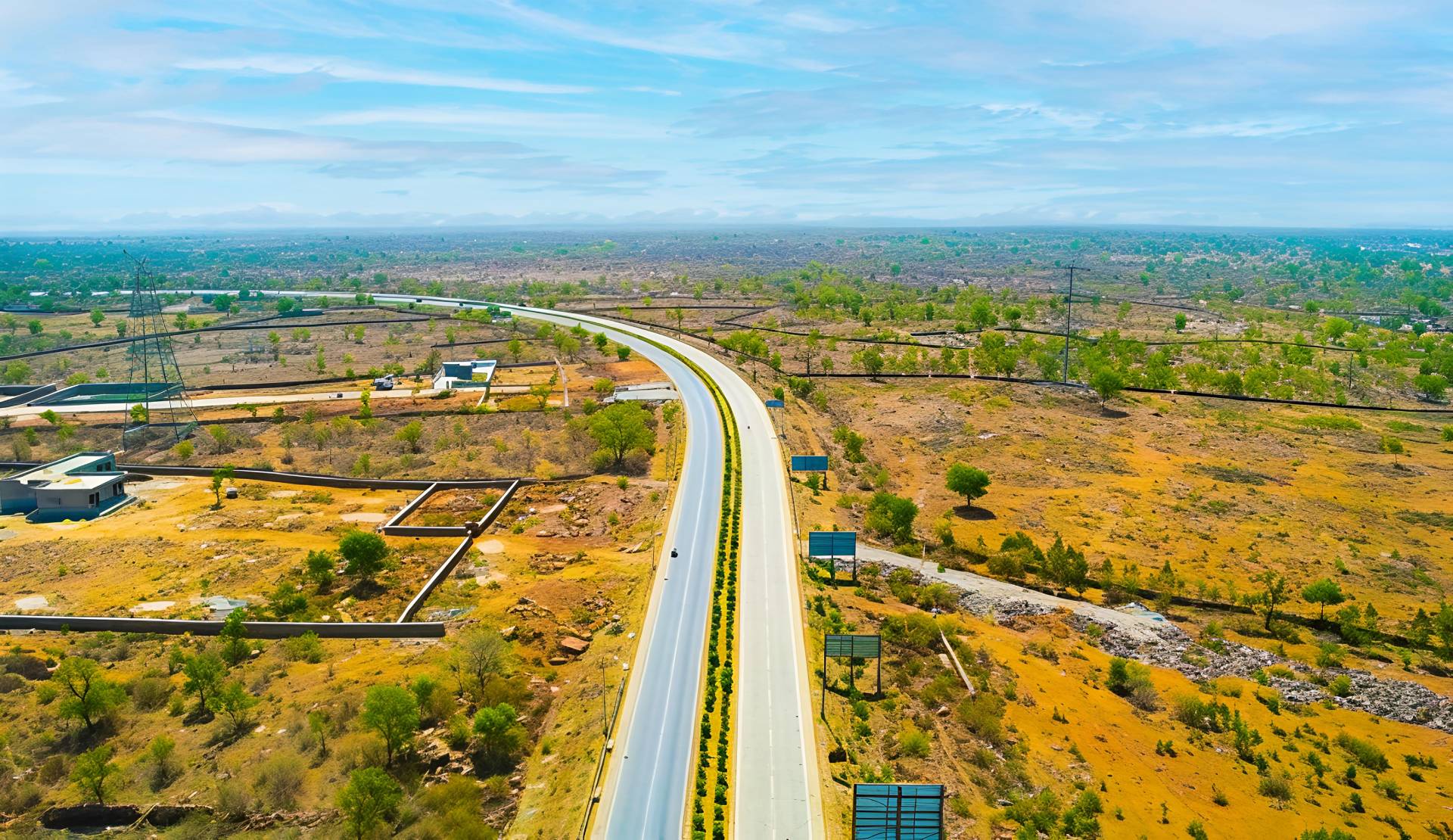
Translink has been engaged by NHAI to provide road safety consultancy services for three key highway packages in Madhya Pradesh. The assignment spans both design and construction stages, covering safety validation, field audits, temporary traffic management checks, signage and marking review, crash-risk screening and structured reporting.
The corridors include two four-lane sections between Budhni, Shahganj and Badi, along with the six-lane Ayodhya Bypass. The mandate is to ensure that each package transitions through construction with a consistent safety framework aligned with IRC and MoRTH requirements.
Road Safety Audit
85.1 km & 4/6 lane
National Highways Authority of India
HAM
Road Safety Audit
85.1 km & 4/6 lane
National Highways Authority of India
HAM
The working conditions across these corridors present typical issues associated with high-speed traffic and active construction fronts. Safety oversight must account for live traffic movement, frequent shifts in work zones, mixed vehicle behaviour, informal access points and vulnerable road users around habitations and commercial areas.
Varying safety discipline among contractor teams and constant changes in diversions further add to the operational complexity, requiring steady supervision and timely corrections.
Translink maintains a field-focused safety process built on early detection of risks, systematic audits and real-time coordination with site teams. Work-zone setups are checked against approved layouts, gaps in temporary traffic management are flagged promptly and safety provisions are validated against the evolving construction sequence. Design submissions are reviewed for compliance with safety standards, while crash-prone locations, pedestrian movements and access points are assessed to shape practical recommendations.
Engagement with contractors, engineers and local stakeholders ensures that safety norms are consistently communicated and implemented.
The structured approach creates predictable and dependable safety performance across all three packages. Construction activities operate with reduced exposure to traffic conflicts, design elements are refined before execution, and safety non-compliances are resolved early in the cycle.
The outcome is a more controlled construction environment and enhanced safety for workers, commuters and vulnerable road users throughout the development period.