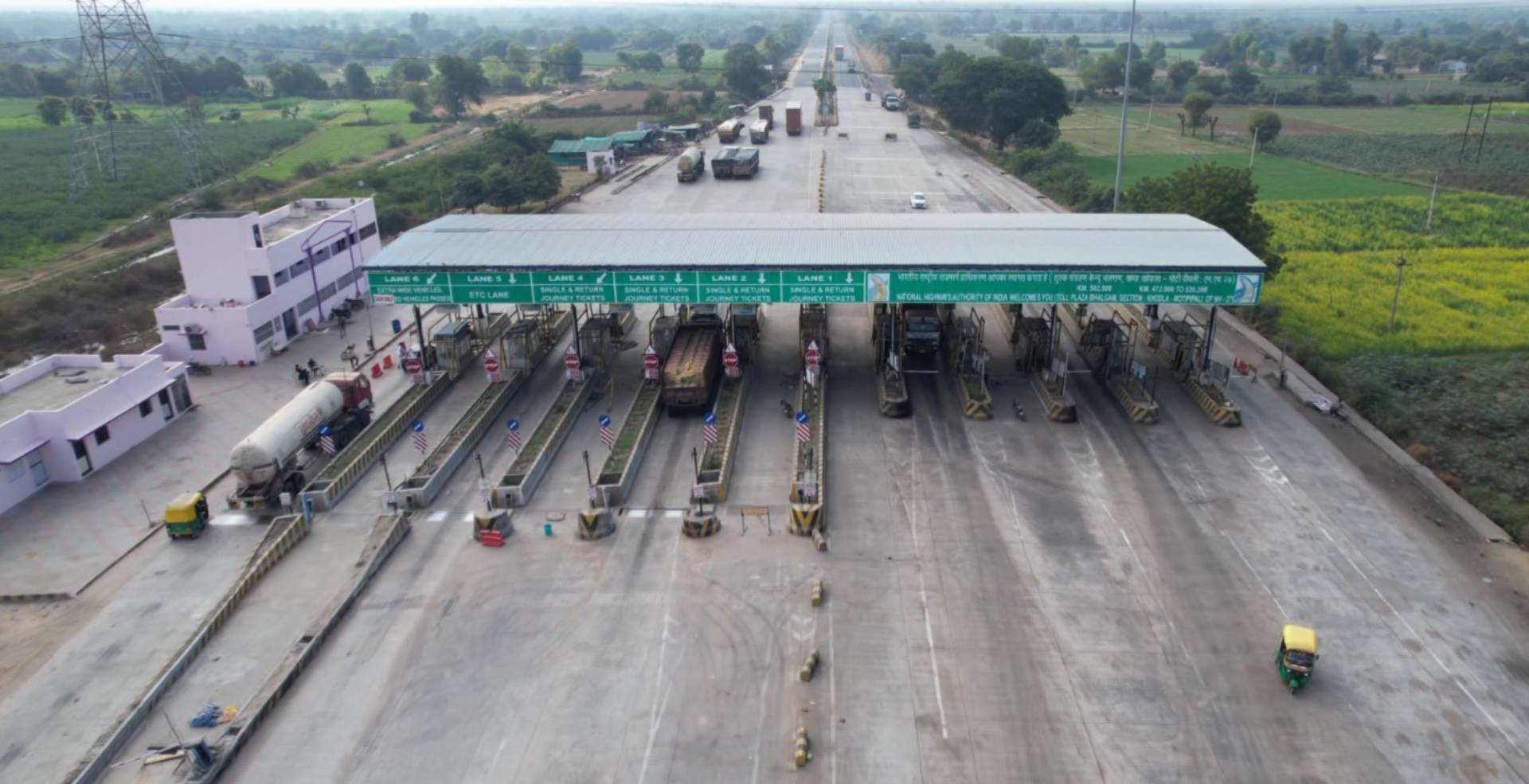
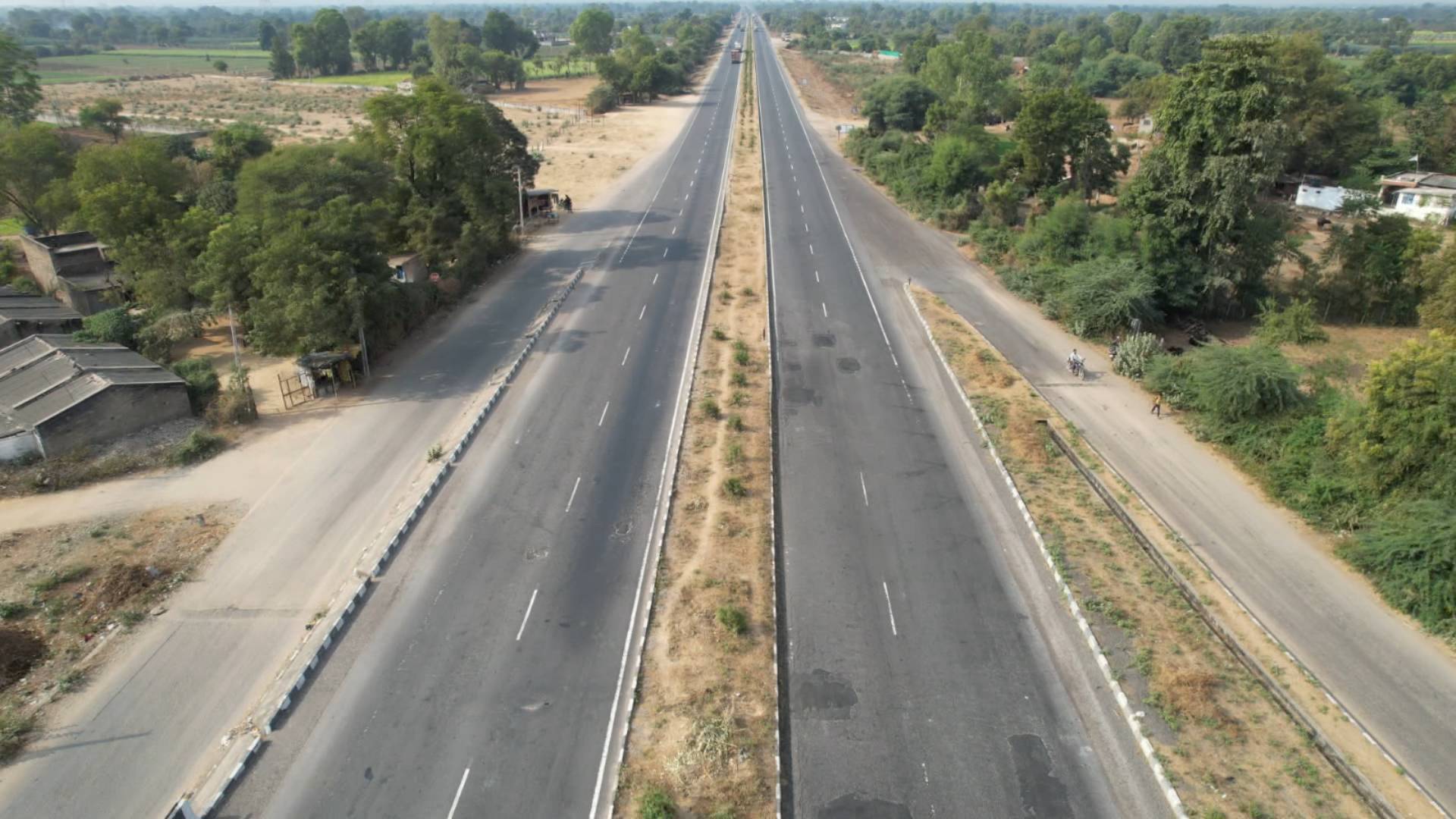
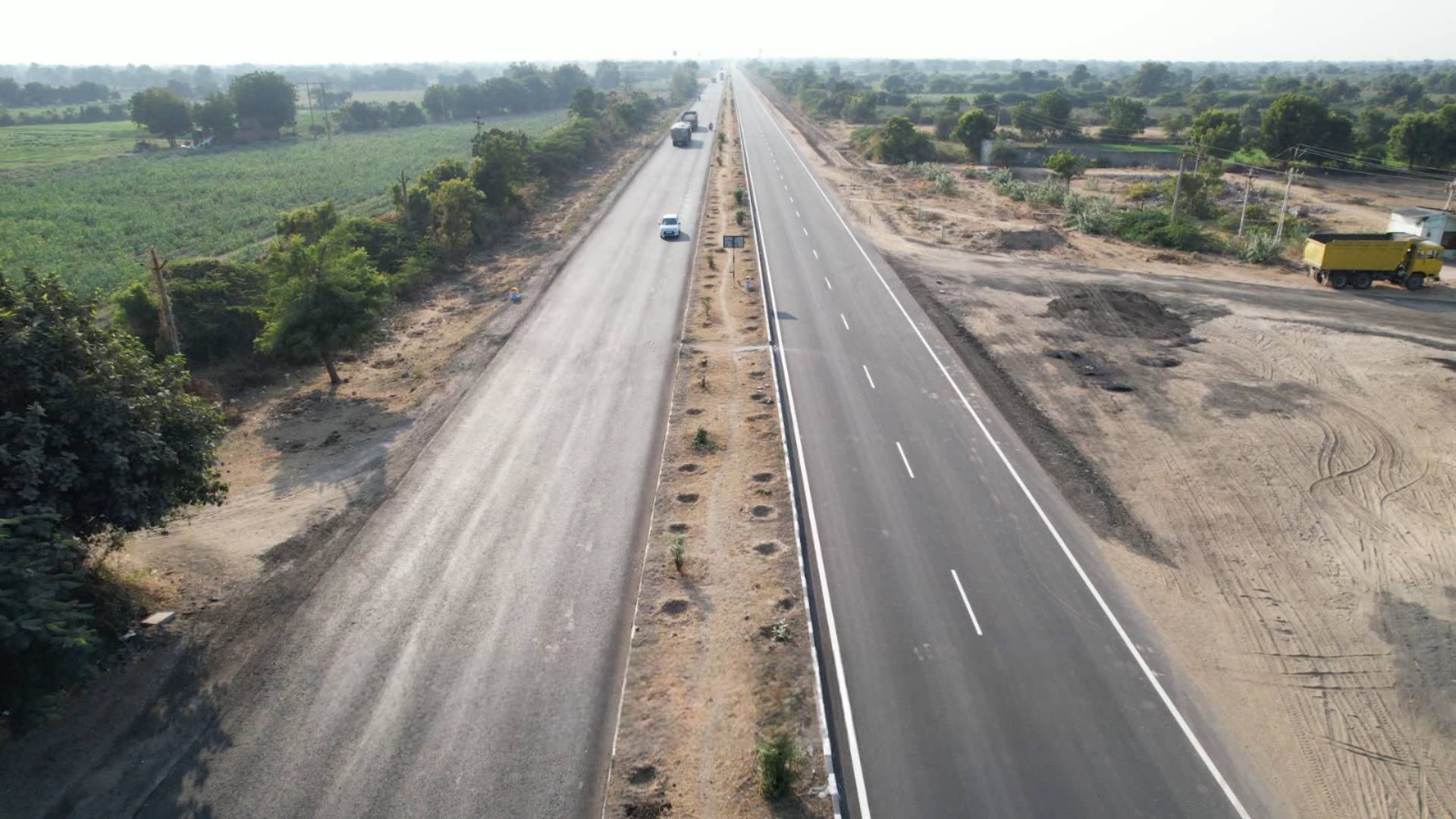
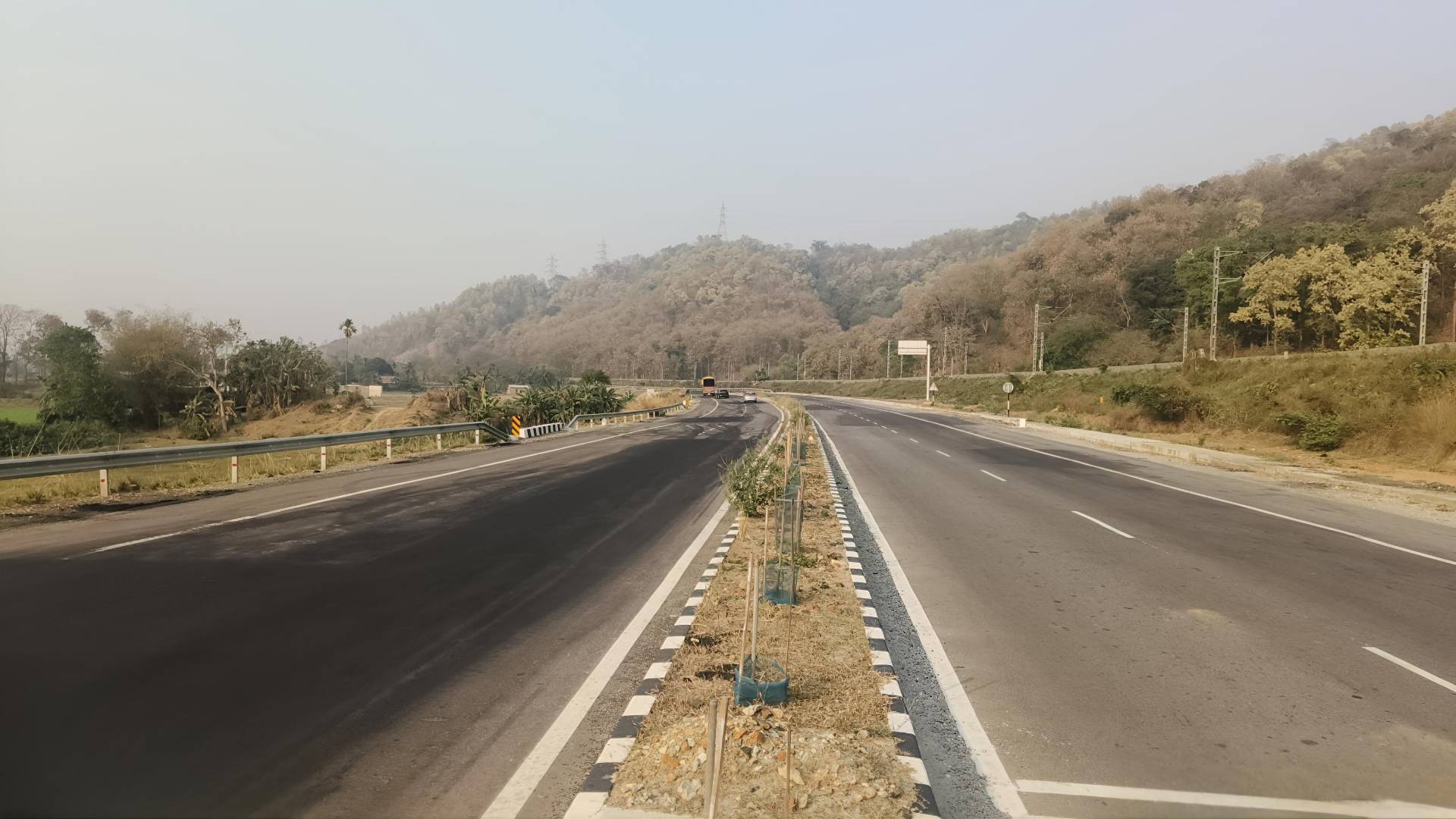
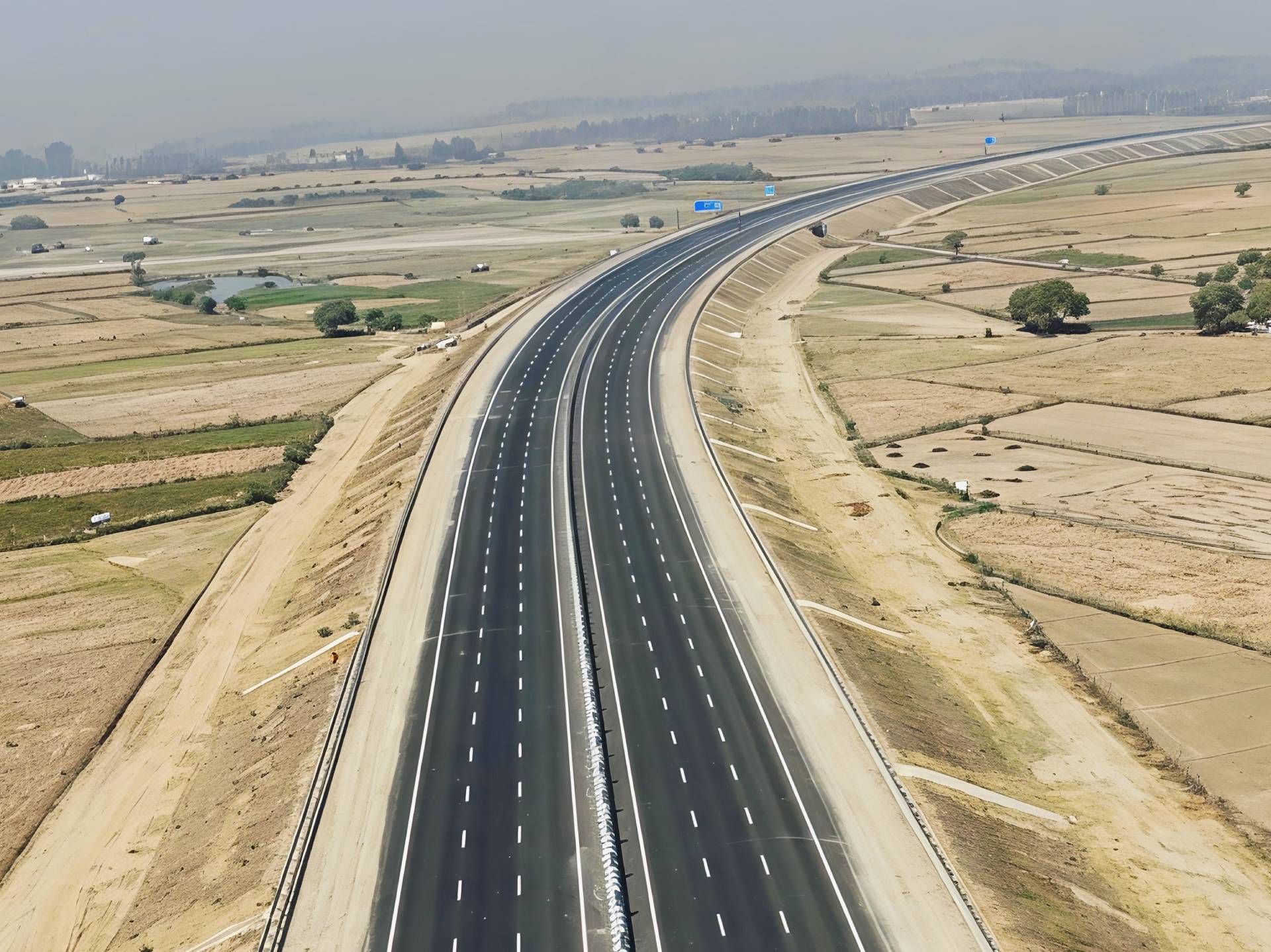
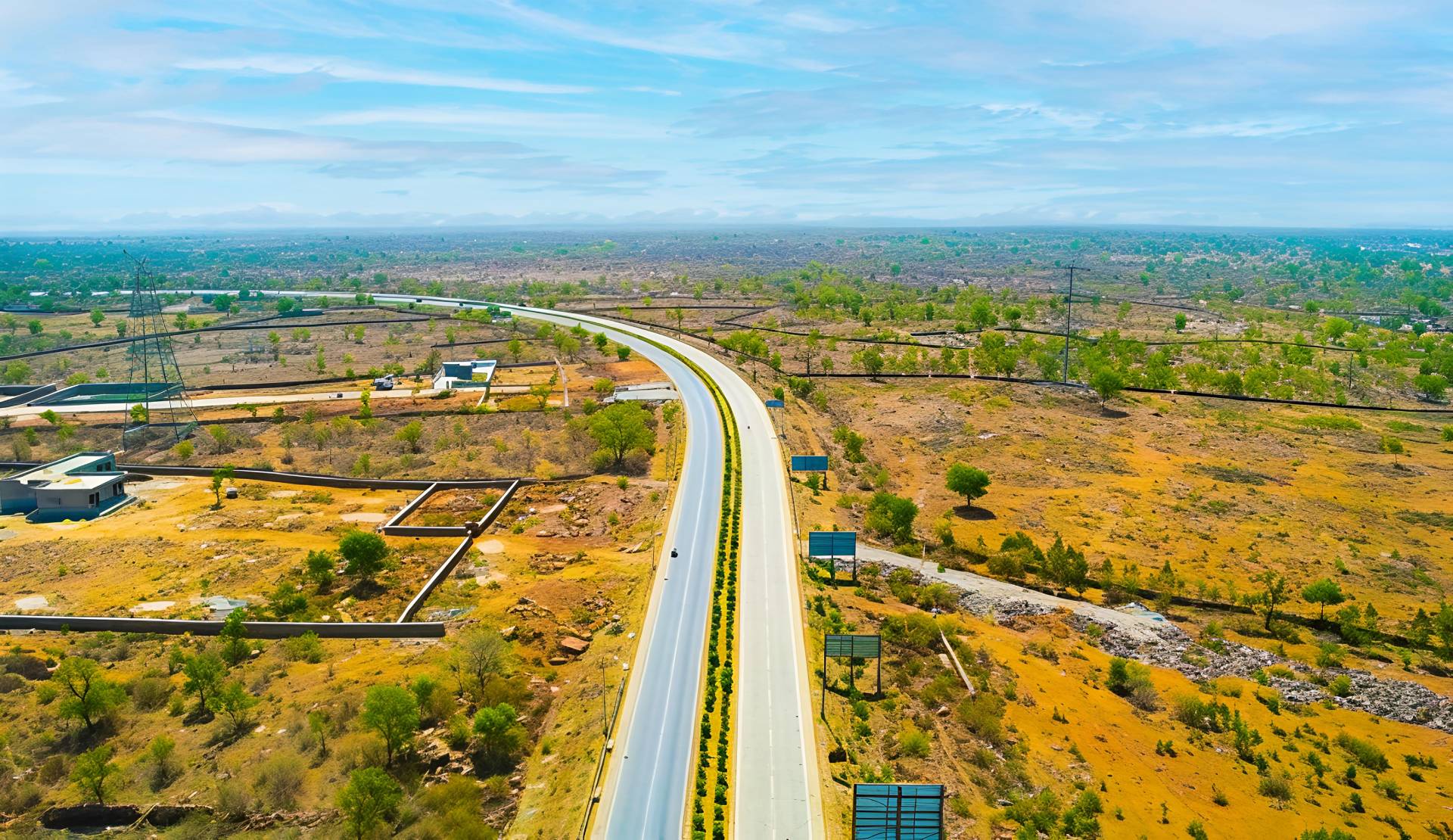
The Palanpur–Samkhiyali stretch of NH27 is an important freight and passenger route in northern Gujarat, connecting major industrial and agricultural clusters. Translink was engaged to prepare the detail design of the existing highway, structures, and roadside assets.
The focus was on improving pavement condition, refining drainage, upgrading safety features, and enhancing structural performance while retaining the existing corridor configuration.
Scope of Work
Detail Design
Corridor Length & Configuration
105.9 km & 4 lane
Estimated Project Cost (Cr)
Initial Estimated Concession Value (Cr) 821
Client & Authority
DP Jain & Co. Infrastructure Private Limited & National Highways Authority of India
Scope of Work
Detail Design
Corridor Length & Configuration
105.9 km & 4 lane
Estimated Project Cost (Cr)
Initial Estimated Concession Value (Cr) 821
Client & Authority
Adani Infra (India) Limited & National Highways Authority of DP Jain & Co. Infrastructure Private Limited & National Highways Authority of India
Challenges
Since the corridor already functioned as a fully built highway, the design task revolved around identifying only the essential rehabilitation needs rather than planning new construction. This required precise differentiation between surface defects and deeper structural issues in pavement layers. Limited locations requiring safety upgrades, improvement of junction layouts, or short service-road additions had to be integrated without disturbing the overall corridor geometry.
Additionally, several existing structures and drainage elements needed condition-based assessment to determine whether strengthening or minor rectification was adequate.
Solutions
Translink undertook systematic pavement investigations, structural condition surveys, and junction safety reviews to establish a clear rehabilitation strategy. Pavement treatments were designed through a hierarchy ranging from milling and overlays to targeted strengthening where structural capacity was inadequate. Safety improvements and local geometric corrections—such as service-road additions or intersection refinements—were incorporated using minimal interventions aligned with existing profiles.
Structures and drainage features were addressed through calibrated repair and retrofitting recommendations.
Impact
The rehabilitation design ensures that the corridor meets operational, safety, and serviceability standards expected before toll operations commence.
By focusing on condition-based, minimal yet effective interventions, the solution reduces lifecycle costs, improves ride quality, strengthens safety performance at critical locations, and enhances asset reliability for the concession period.