

Every highway tells a story — of movement, opportunity, and progress. But some corridors also carry stories of conflict, near-misses, unsafe crossings, and unpredictable patterns that put lives at risk.
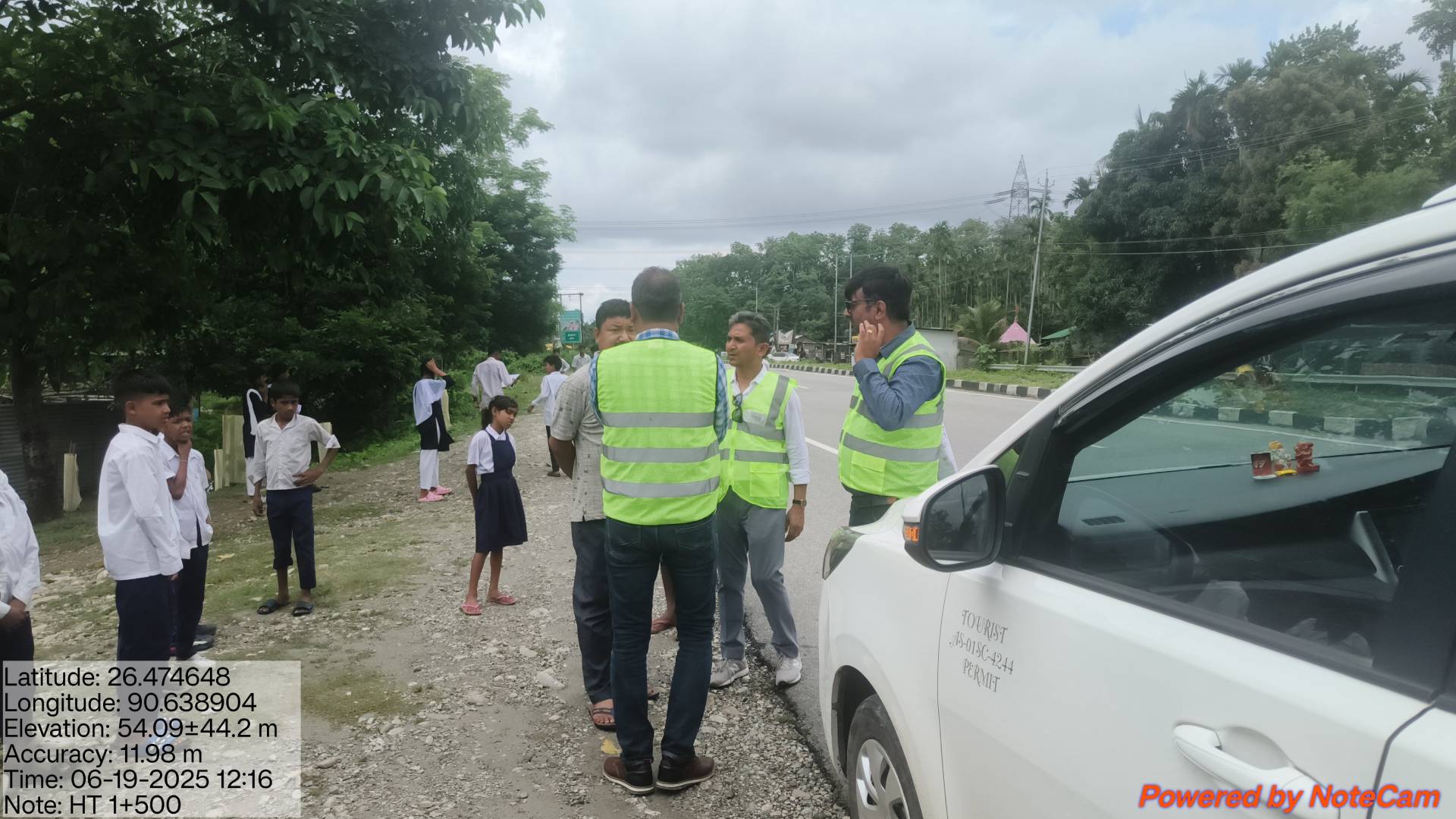
The Hapachara–Tulungia section of NH-31 in Assam was one such corridor. High pedestrian movement, unauthorized openings, school zones, fog-prone conditions, and multiple conflicting turning movements created an environment of daily risk.
Translink was engaged by NHIDCL to conduct a comprehensive Road Safety Audit (RSA). What followed was not merely an engineering review — it was a transformation in how a corridor could function, protect, and sustain safe mobility.
Transforming the Hapachara–Tulungia Corridor
The Challenge
The corridor experienced:
- Unregulated crossroads in close proximity
- Unauthorized median openings resulting in contraflow
- Heavy pedestrian and school-going children crossing at-grade
- Market-related movements disrupting traffic flow
- Nighttime visibility challenges intensified by fog
- Inadequate delineation and warning systems
These conditions created an ecosystem of continuous conflicts, especially involving vulnerable road users.

Translink’s Diagnostic Lens
Instead of treating deficiencies as isolated issues, Translink applied a multi-dimensional safety intelligence approach, combining:
- Behavioural movement mapping
- Desire line analysis
- Speed environment evaluation
- Night audits with calibrated reflectivity checks
- Drone-based conflict mapping
- Geometry consistency review
- Access behaviour assessment
This revealed a clear insight:
Most safety risks were behavioural and operational, not purely geometric.
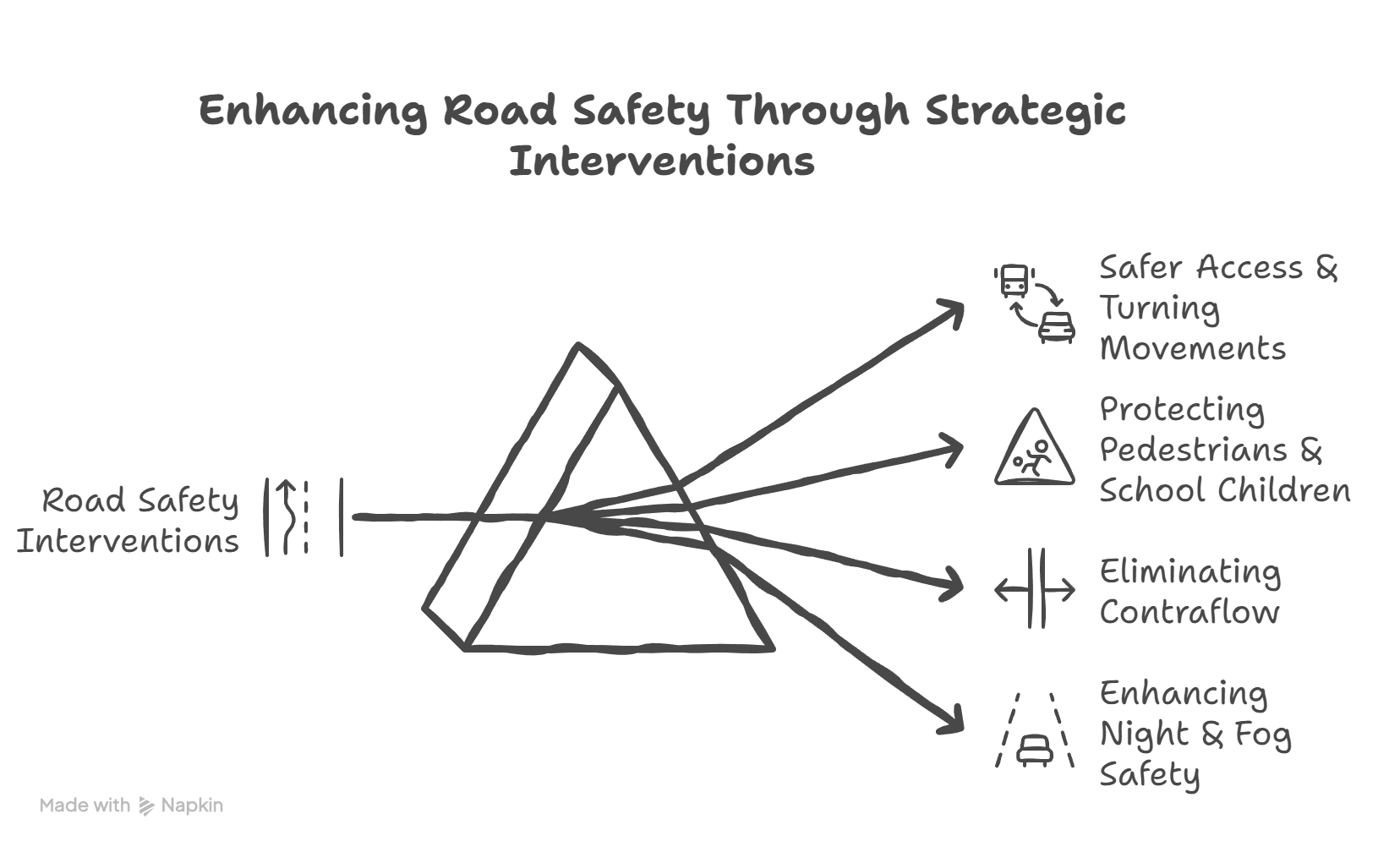
Strategic Interventions Recommended
1.Safer Access & Turning Movements
- Closure of unauthorized openings
- IRC-compliant median opening upgrades
- Turning storage lanes
- Smooth radii to ensure predictable vehicle behaviour
2.Protecting Pedestrians & School Children
- Proposed Foot Over Bridge (FOB)
- Refuge islands for mid-block crossings
- Designated pedestrian crossings with improved visibility
3.Eliminating Contraflow
- Removal of unsafe entry points
- Channelisation and lane guidance
- Service-road-based access restructuring
4.Enhancing Night & Fog Safety
- Retroreflective markings
- Hazard markers at curves
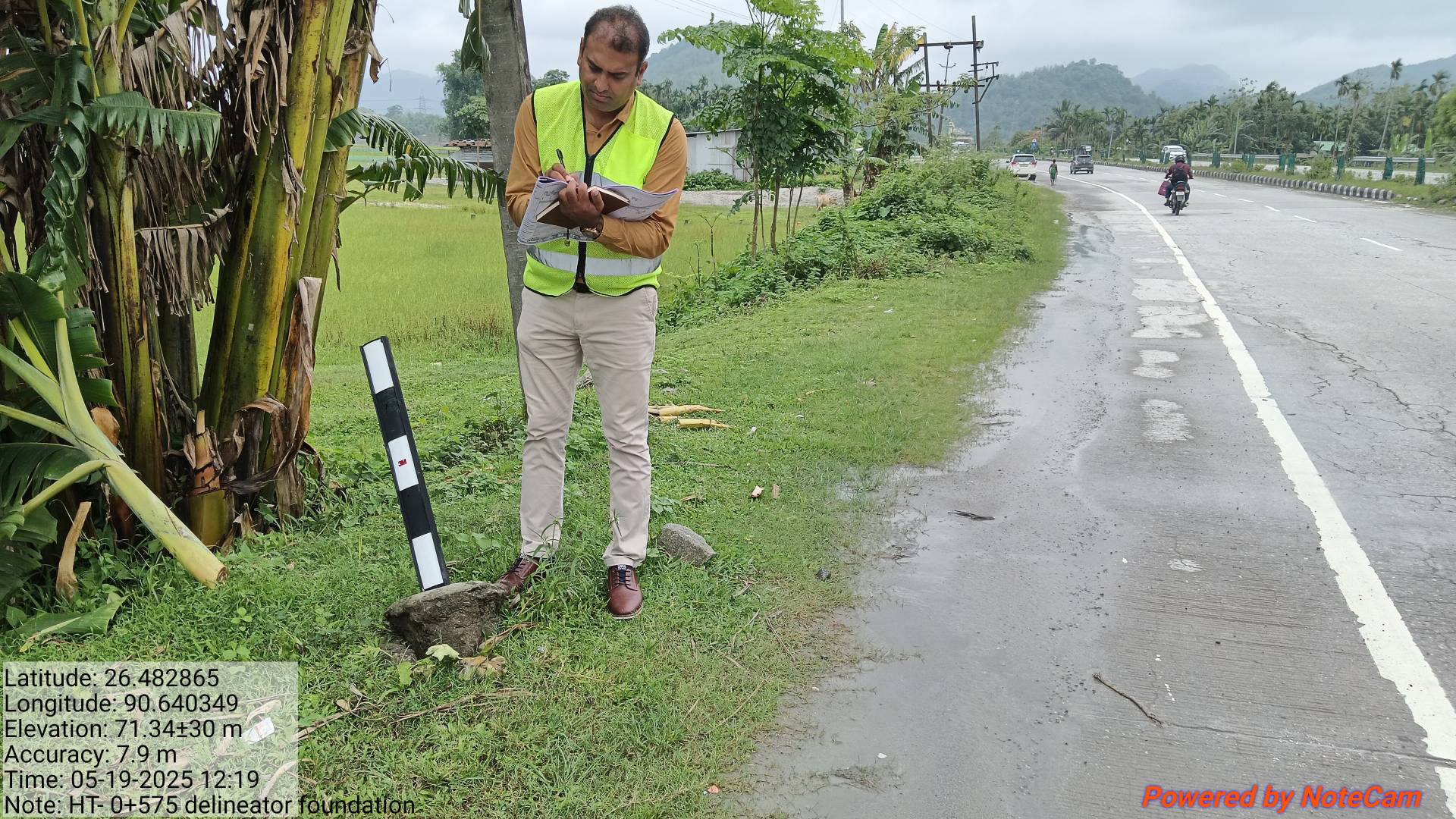
- High-intensity delineators
- Fog-route advisory signage
Expected Impact
The bundled interventions are projected to deliver:
- 70–80% reduction in conflicts
- Elimination of severe head-on risks from contraflow
- Dramatic improvement in pedestrian safety
- More predictable driving environment
- Safer fog-season travel
This case demonstrated how technical precision, behavioural insight, and human sensitivity reshape safety outcomes.
What This Case Reveals About Road Safety
The Hapachara–Tulungia study reinforces three truths:
- Unsafe behaviour emerges when design does not guide movement.
- Unregulated access is the single biggest creator of risk on national corridors.
- Vulnerable users must be engineered into the design, not engineered around it.
The case study underscores the importance of designing with human behaviour in mind, not against it.
The Translink Approach to Road Safety
Our methodology strengthens safety at every project stage:
Feasibility
- Early risk prediction
- Conflict zone anticipation
- VRU movement assessment
DPR
- Alignment safety
- Junction configuration
- Access management
- Pedestrian planning
- Night visibility and drainage evaluation
Construction
- Safe diversions
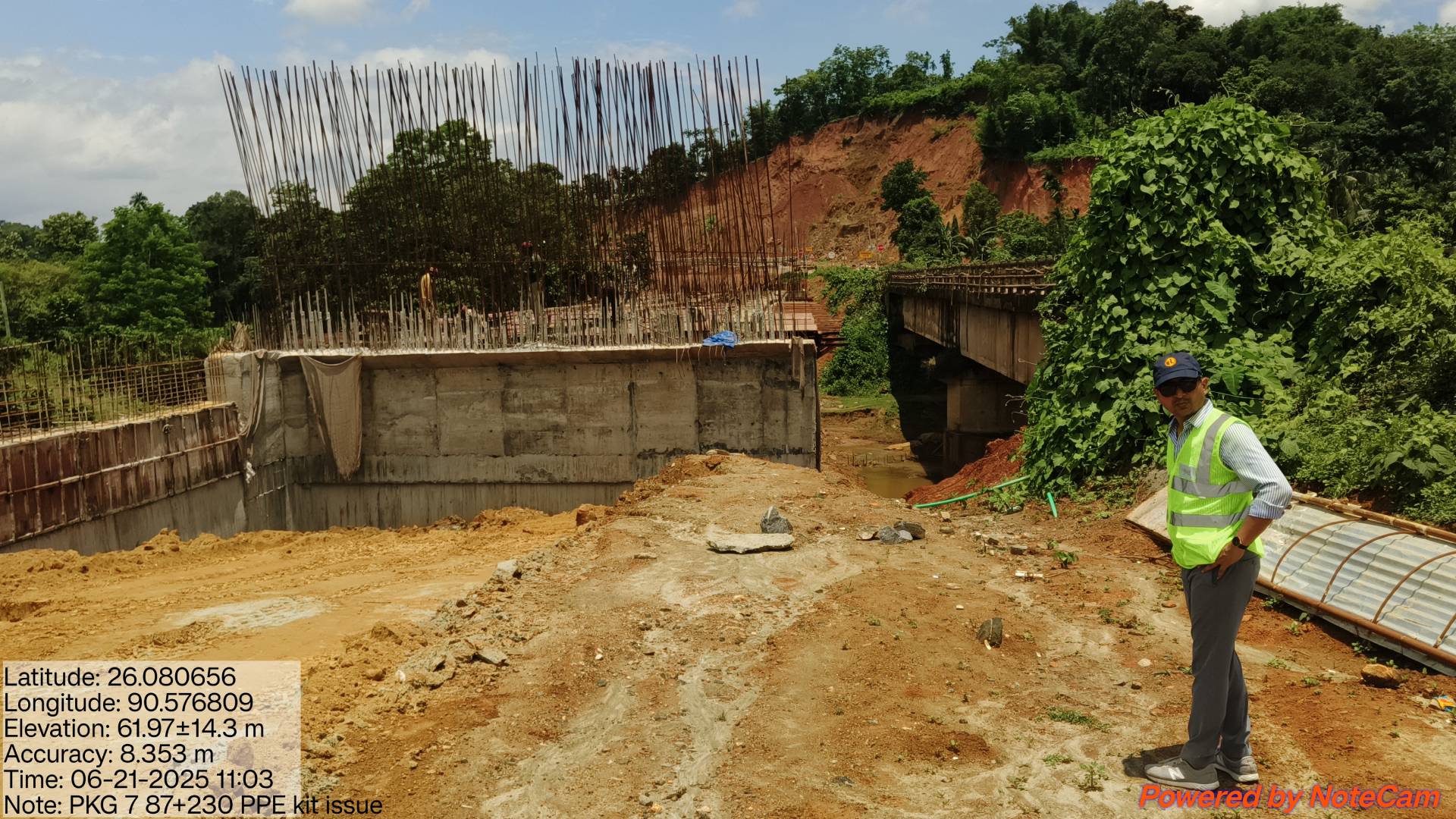
- Worker and pedestrian protection
- Real-time hazard identification
- TTM compliance
Pre-Opening & O&M
- Final readiness audits
- Visibility and signage accuracy
- Crash barrier validation
- Fog & seasonal vulnerability assessment
- Long-term monitoring for re-emerging risks
Safety is treated as a continuous system, not a milestone.
What Truly Distinguishes Translink’s Approach
Safety as a Purpose, not a Checklist
A human-centred view that prioritizes lives over layout.
Behaviour-Based Safety Engineering
Understanding real movement → designing real solutions.
Full Lifecycle Safety Integration
Feasibility → DPR → Construction → Operation.
Deep Technical Judgement from National-Scale Work
Experience across expressways, FDR programmes, InvIT/TOT due diligence, and high-speed corridors.
Translink Safety Intelligence Framework (SIF)
A proprietary multi-layer approach combining analytics, behaviour, design, and environment.
Solutions That Balance Safety with Practicality
Technically robust yet economically and operationally feasible.
A Humanitarian Lens
Protecting vulnerable users with empathy and intelligence.
Technology-Enabled Diagnostics
Drone mapping, calibrated night audits, conflict analytics, GIS heatmaps.
Conclusion: Purpose-Driven Safety, Engineered with Precision
Every corridor carries people’s lives, aspirations, and stories.
Through rigorous engineering, behavioural insight, and purposeful design, Translink is redefining safety as a practice of care, responsibility, and technical excellence.
Our mission remains clear:
to ensure that every journey is safer than the one before.